

Peptide Calculator
This peptide calculator helps estimate how many units to draw in an insulin syringe based on your vial size, reconstitution volume, and desired dose. It is designed as a general reference tool for researchers working with lyophilized peptides in controlled settings.
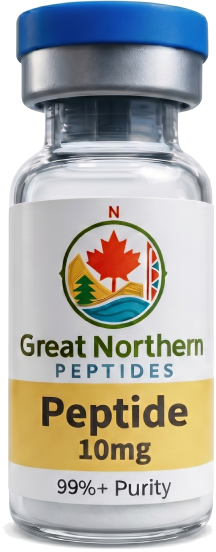
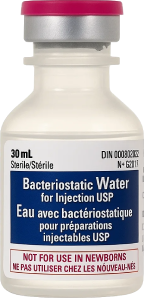
Use the calculator below to estimate the number of syringe units needed after reconstituting a peptide vial with bacteriostatic water.




How the peptide calculator works
A peptide calculator helps convert concentration into a practical draw amount. Once a vial has been reconstituted, the final concentration depends on two inputs: the amount of peptide in the vial and the amount of diluent added. From there, the calculator estimates how many millilitres — and how many insulin syringe units — correspond to the selected dose.
Basic formula
Concentration (mg/ml) = vial size (mg) ÷ diluent added (ml)
Volume needed (ml) = desired dose (mg) ÷ concentration (mg/ml)
Syringe units = volume needed × syringe unit scale
Why use a peptide calculator?
When working with reconstituted peptides, a small difference in concentration can significantly change the amount drawn into a syringe. A peptide calculator makes it easier to estimate units consistently, compare reconstitution options, and avoid manual math errors.
Common peptide calculator examples
Researchers often use a peptide calculator for scenarios like:
- 10 mg vial reconstituted with 2 ml of bacteriostatic water
- 5 mg vial reconstituted with 1 ml of bacteriostatic water
- 20 mg vial reconstituted with 2 or 3 ml of bacteriostatic water
- Converting a target mg dose into syringe units on a 0.3 ml, 0.5 ml, or 1 ml insulin syringe
Peptide reconstitution basics
Most peptide calculators assume a lyophilized peptide is reconstituted with bacteriostatic water. The exact final concentration depends on the vial size and how much water is added. Because different peptides, vial sizes, and lab workflows vary, it is important to confirm the intended concentration before calculating syringe units.
Frequently Asked Questions
What is a peptide calculator?
A peptide calculator is a tool that estimates the number of millilitres or syringe units needed for a selected peptide dose after reconstitution. It uses the vial size, diluent volume, desired dose, and syringe size to generate the result.
How do you calculate peptide dosage after reconstitution?
First calculate the concentration by dividing the amount of peptide in the vial by the amount of diluent added. Then divide the target dose by that concentration to get the required volume. A peptide calculator automates those steps and converts the result into syringe units.
How many units are in 1 ml on an insulin syringe?
On a standard 1 ml insulin syringe, 1 ml equals 100 units. On a 0.5 ml syringe, the full volume equals 50 units. On a 0.3 ml syringe, the full volume equals 30 units.
Can a peptide calculator be used for different peptides?
Yes. A generic peptide calculator can be used for many reconstituted peptides because the underlying math is based on concentration and volume, not on one specific compound. The key is entering the correct vial size, diluent volume, and target dose.
What happens if the dose is too large for the selected syringe?
If the calculated volume exceeds the capacity of the selected syringe, the calculator should flag that the syringe may not be large enough to hold the full dose. In that case, the concentration or syringe size may need to be reconsidered.
Great Northern Peptides is where Canadian researchers find the most rigorously tested peptides Canada has to offer.